
3D Printing in Triathlon: What Is Actually Worth Paying For?
RSTRI Lab | Source highlights and independent engineering commentary
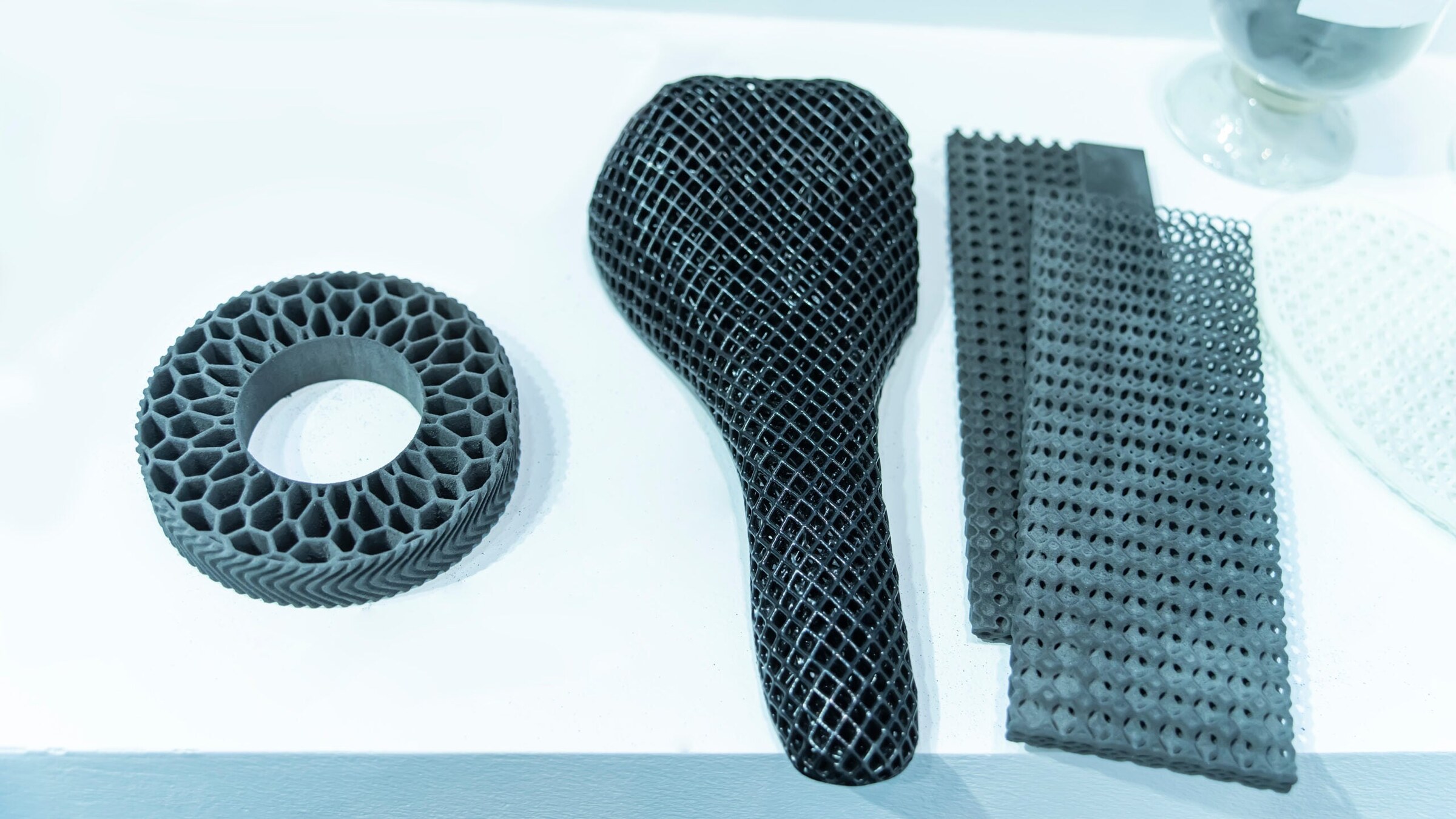
Lattice samples with different geometries. Photo: Getty Images; source: Triathlete.
From lattice saddle padding to custom cockpits: distinguish fit prototypes from final structural parts and evaluate the problem, validation and ownership requirements before ordering.
This editorial takes its starting point from a Triathlete article by T.J. Tollakson, dated March 4, 2026. It develops an independent RSTRI engineering perspective rather than translating the source. The original article is linked below.
A tool, not a performance guarantee
Additive manufacturing enables complex shapes, small production runs, rapid iteration and rider-specific geometry. In triathlon, prolonged fixed positions make arm support, hand position and saddle pressure especially relevant.
Key applications
Saddles: Tunable elastomer lattices enable localized support, though often only the padding is printed.
Helmets: Lattice designs may enable new ventilation and fit approaches, but impact protection, cooling and aerodynamic performance require separate validation.

Cockpits: Printed fit-check prototypes can validate extension angle, pad width and grip position before committing to final structural parts.
RSTRI engineering perspective
A fit-check prototype, a non-critical accessory and a load-bearing part require different materials, process controls and tests. FDM layer adhesion, build orientation, heat and creep matter; other additive methods have distinct limitations. Structural interfaces require attention to fasteners, load paths, fatigue and failure modes.
Customization does not automatically lower drag. Watt-saving claims need documented posture, speed, yaw, baseline and uncertainty. Helping a rider hold a position longer is not the same as proving that a component itself reduces drag.
When to invest
Customization is compelling when it solves a defined fit or integration problem and can be verified before production. Paying extra for the label alone is not justified.
Conclusion: The value is a validated solution, not the fact that it was printed.
Four questions before ordering
- What problem needs solving: arm support, wrist position, or a packaging conflict between existing components? Define a concrete objective first.
- How will the geometry be checked? A prototype can help verify contact points, adjustment range and clearances. A successful fit check is not structural validation.
- How is the final part validated? Ask about material, manufacturing process, post-processing, fastener torque and intended loads. Fit testing cannot replace structural safety assessment.
- What happens in service? Installation, inspection, replacement and maintenance requirements should be clear. Allow for the cost of further changes if your position is still evolving.
For RSTRI, the starting point should be the rider and the complete bike system, followed by the appropriate manufacturing method. These are evaluation principles, not a claim that any particular component has passed a specific test or will deliver a fixed watt saving.
Original source
Source: T.J. Tollakson, Triathlete, March 4, 2026. Independent RSTRI Lab commentary. Original photo rights remain with their owners.
RSTRI PRODUCTS
Related Products

3DAC Cervélo P5X / PX / P3X Integrated SpeedCase
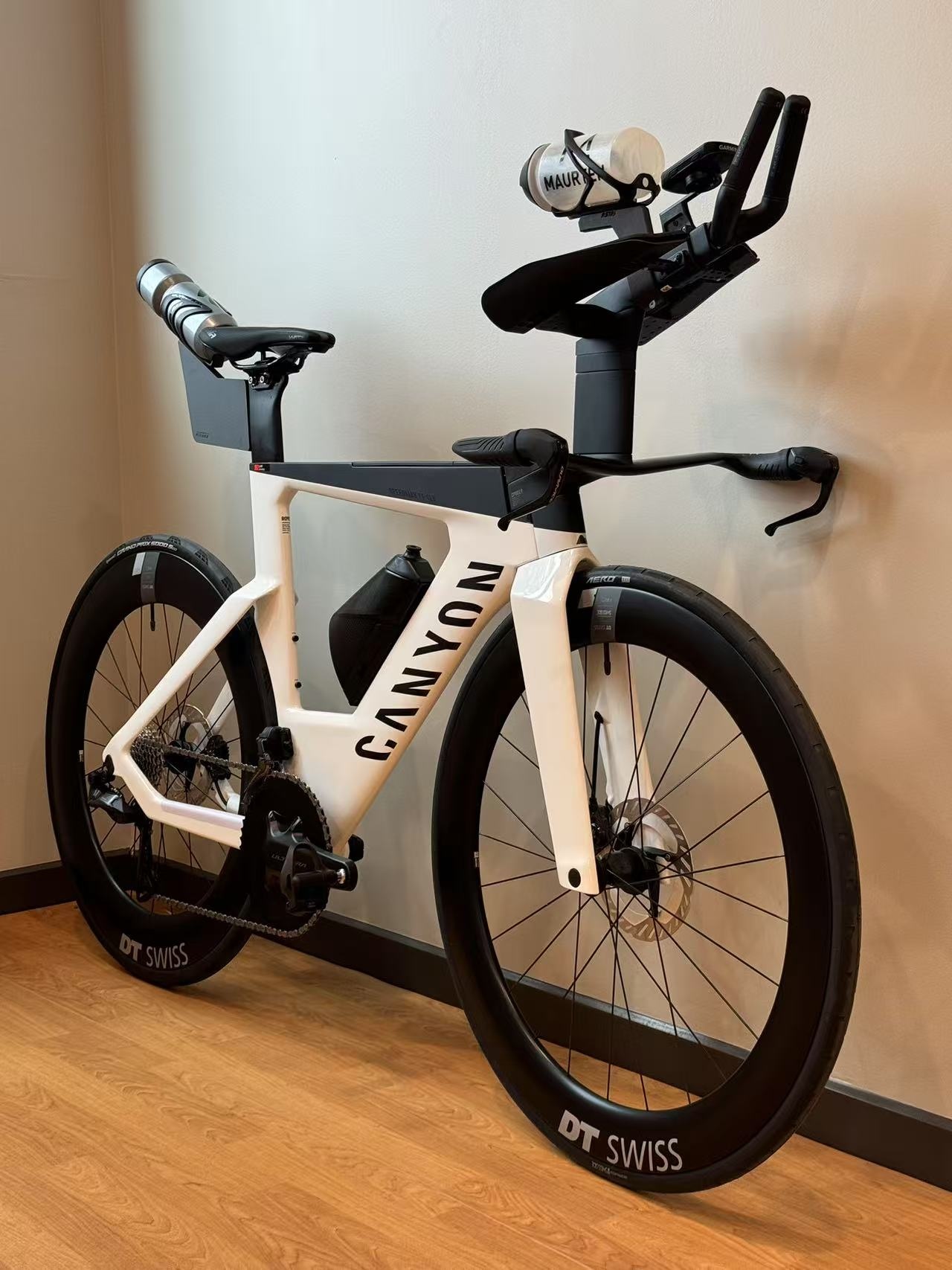
RSTRI Canyon Speedmax Single BTA Bottle Cage Holder

RSTRI Cervélo Integrated Rear Hydration Mount
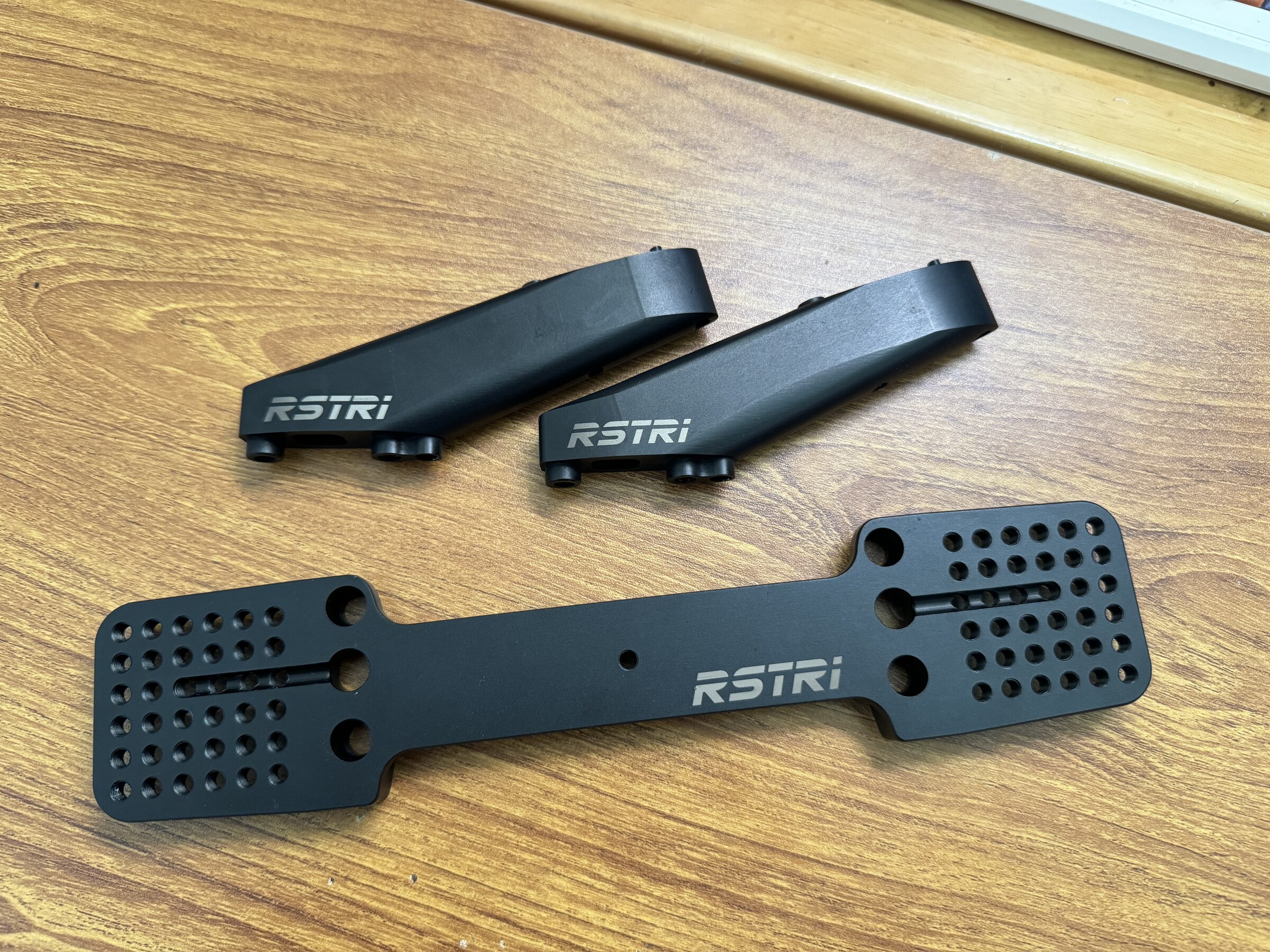
RSTRI Speed Concept Universal Aerobar Width / Reach Adapter

RSTRI Custom Metal 3D-Printed Aero Riser

RSTRI Aerobar Armrests
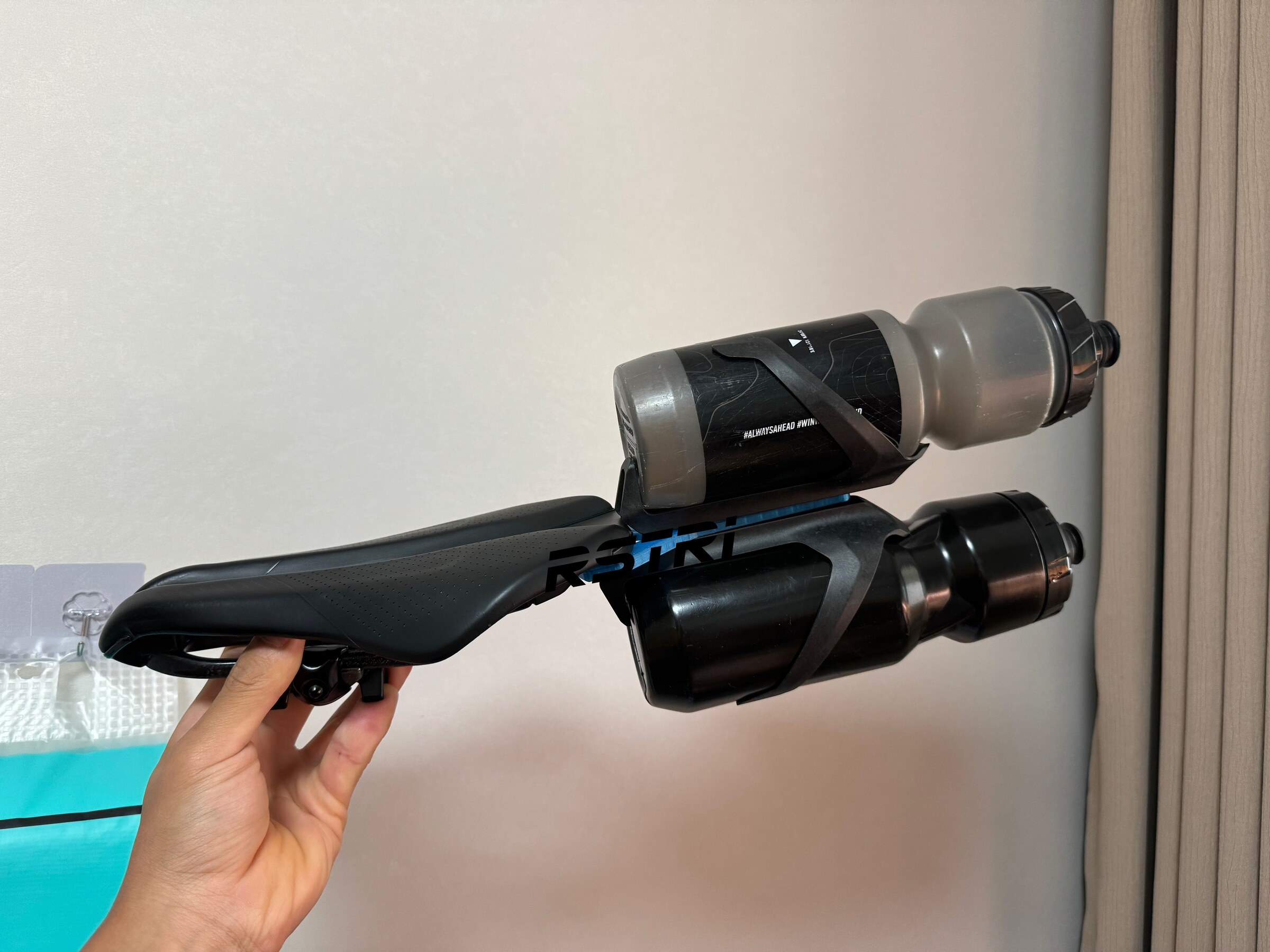
RSTRI Triathlon Saddle Rear Hydration System
RSTRI LAB
Continue Exploring
Behind the Saddle Hydration: Why Bottle Position Matters More Than You Think
A bottle behind the saddle may sit in the rider’s wake, but height, angle and distance change the airflow it meets. The relevant question is where the bottle sits relative to this...
Learn More →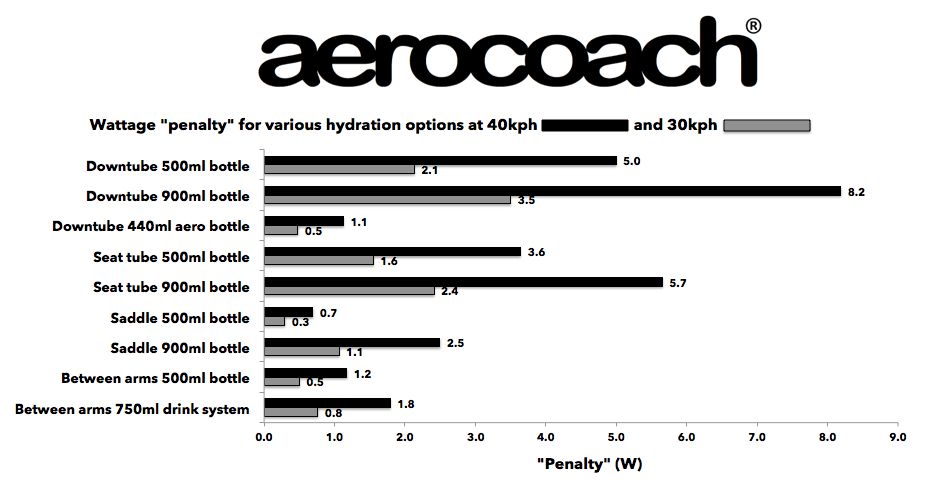
Where Should You Carry Your Water? Aero Testing of BTA, Frame and BTS Bottle Positions
AeroCoach tested bottle locations on one rider and TT bike. The 500 ml round bottle ranged from +0.7 W behind the saddle to +5.0 W on the downtube at 40 km/h; the result is a guide...
Learn More → Featured
RSTRI LAB | Get Faster for Free: Triathlon Aero Position Guide
Using real race photos, we look at aerobar width, head-and-arm integration, flexibility, drop and reach—and why the fastest aero position is the one you can safely hold for hours.
Learn More →