

From Wheels to Aerobars: What the 2026 Kona Bike Count Reveals
Aerobars, Other and integrated hydration
Original Kona bike count photograph · Image source: Slowtwitch · https://www.slowtwitch.com/industry/insights-and-trends-from-the-2026-kona-bike-count/
Aerobar Other rose from 10.11% to 18.04% at Kona 2026. RSTRI examines independent cockpit makers and hydration integration.
A shift in upgrade priorities
High-end triathlon bikes once invited riders to upgrade their wheels. Today, many complete bikes already include capable carbon wheelsets, shifting some attention toward aerobars and cockpit integration. Slowtwitch describes this as a shift toward aerobar and cockpit upgrades.

The significance of Other
Profile Design moved from 27.85% to 23.34%, Canyon rose from 10.28% to 13.34%, FastTT was separately listed at 5.87%, and Drag2Zero grew from 1.49% to 3.48%. OEM integration and independent specialists are evolving together.
Other grew from 10.11% to 18.04%—up 7.93 percentage points. It is not a single brand but a collection of products not individually listed or reliably identified. Slowtwitch notes that brands absent from preset survey options may be grouped there.
The 18.04% belongs to the Other category as a whole. Its growth puts independent cockpit design in focus. RSTRI explores the same design questions through frame compatibility, position adjustment and accessory integration.
Aerobar category shares, 2025–2026
- Profile Design: 27.85% → 23.34%
- Canyon: 10.28% → 13.34%
- Trek / Bontrager: 11.15% → 7.94%
- FastTT: Not separately listed → 5.87%
- Drag2Zero: 1.49% → 3.48%
- TriRig: 0.87% → 1.46%
- Other: 10.11% → 18.04%

From component to cockpit system
Forearm support, stack, grip angle, adjustability, frame compatibility, hydration and storage all affect real-world usability. Independent makers can solve specific fit challenges through frame-specific interfaces and practical adjustment. RSTRI explores these constraints on existing frames and interfaces.

Hydration becomes part of the cockpit
Front hydration shares changed sharply: TriRig 0.86% to 11.85%, X-Lab 23.33% to 12.14%, and newly listed AeroGain 8.44%. Mounts and bottle cages can come from different brands, making the mounting system a useful focus for this comparison. The pictured TriRig rear mount illustrates how bottle position, mount and cage form a configurable assembly.
In the accompanying discussion, Slowtwitch described a shift toward BTA (between-the-arms) and stacked mounts. Angled arm supports, forward bottle placement, central storage and maintenance access must work together. RSTRI continues to study these layouts.
With the return to a one-day race in 2026, category shares provide the basis for this comparison. Cockpit development brings forearm support, grip position, hydration and storage together as one layout.
Read more: Kona equipment observations
https://www.rstri.cn/en/tech/kona-2026-bike-count-technical-observations ↗
Explore the RSTRI RC aerobar
https://www.rstri.cn/en/accessories/10 ↗
Data and original photographs: Ryan Heisler / Slowtwitch, 2026-10-13.
https://www.slowtwitch.com/industry/insights-and-trends-from-the-2026-kona-bike-count/ ↗
RSTRI PRODUCTS
Related Products


RSTRI LAB
Continue Exploring
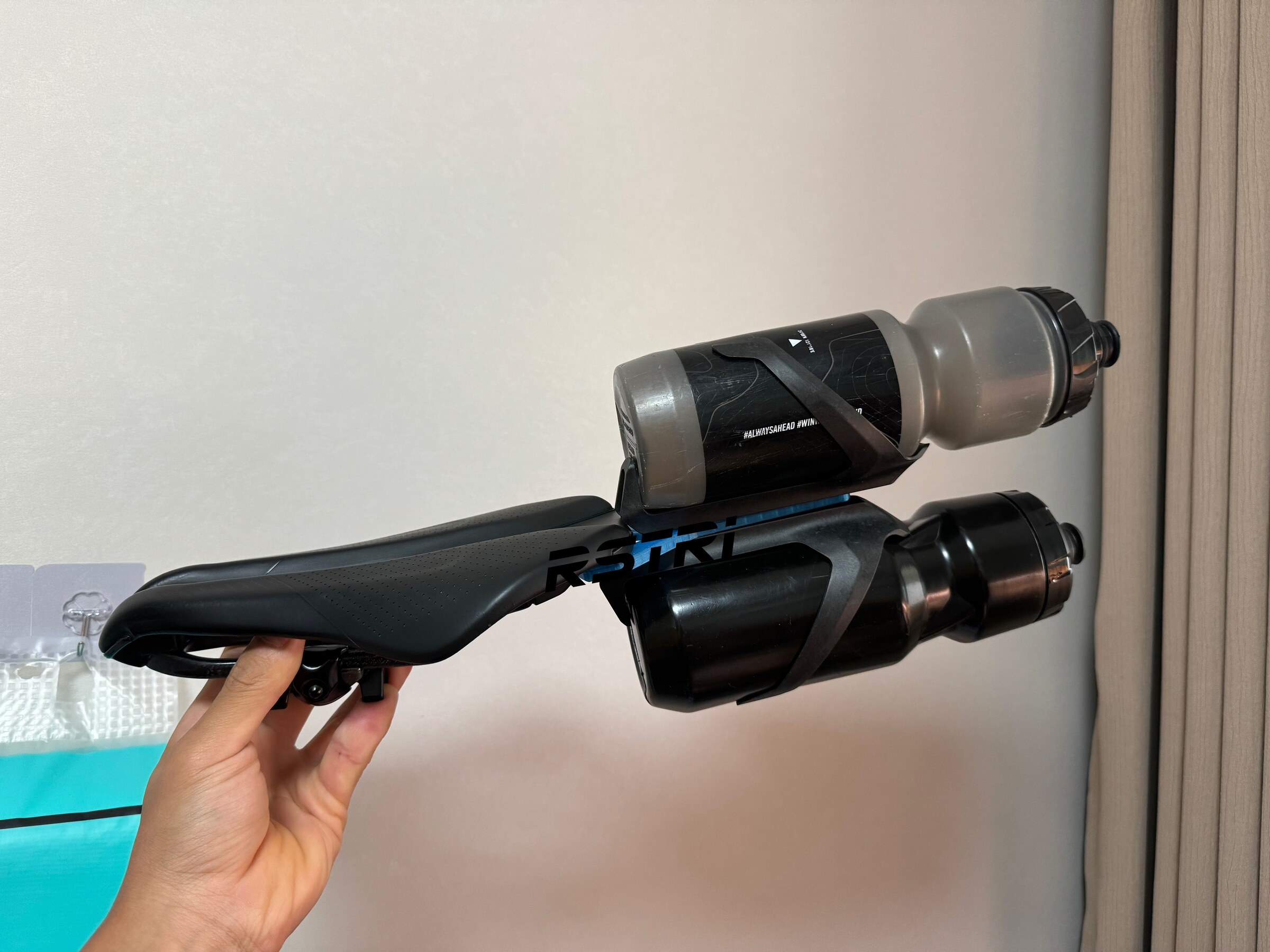
Behind the Saddle Hydration: Why Bottle Position Matters More Than You Think
A bottle behind the saddle may sit in the rider’s wake, but height, angle and distance change the airflow it meets. The relevant question is where the bottle sits relative to this...
Learn More →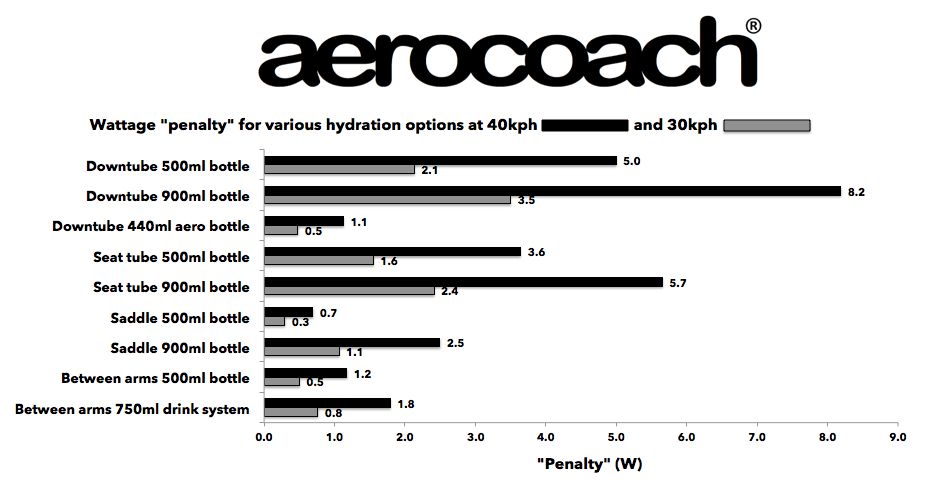
Where Should You Carry Your Water? Aero Testing of BTA, Frame and BTS Bottle Positions
AeroCoach tested bottle locations on one rider and TT bike. The 500 ml round bottle ranged from +0.7 W behind the saddle to +5.0 W on the downtube at 40 km/h; the result is a guide...
Learn More →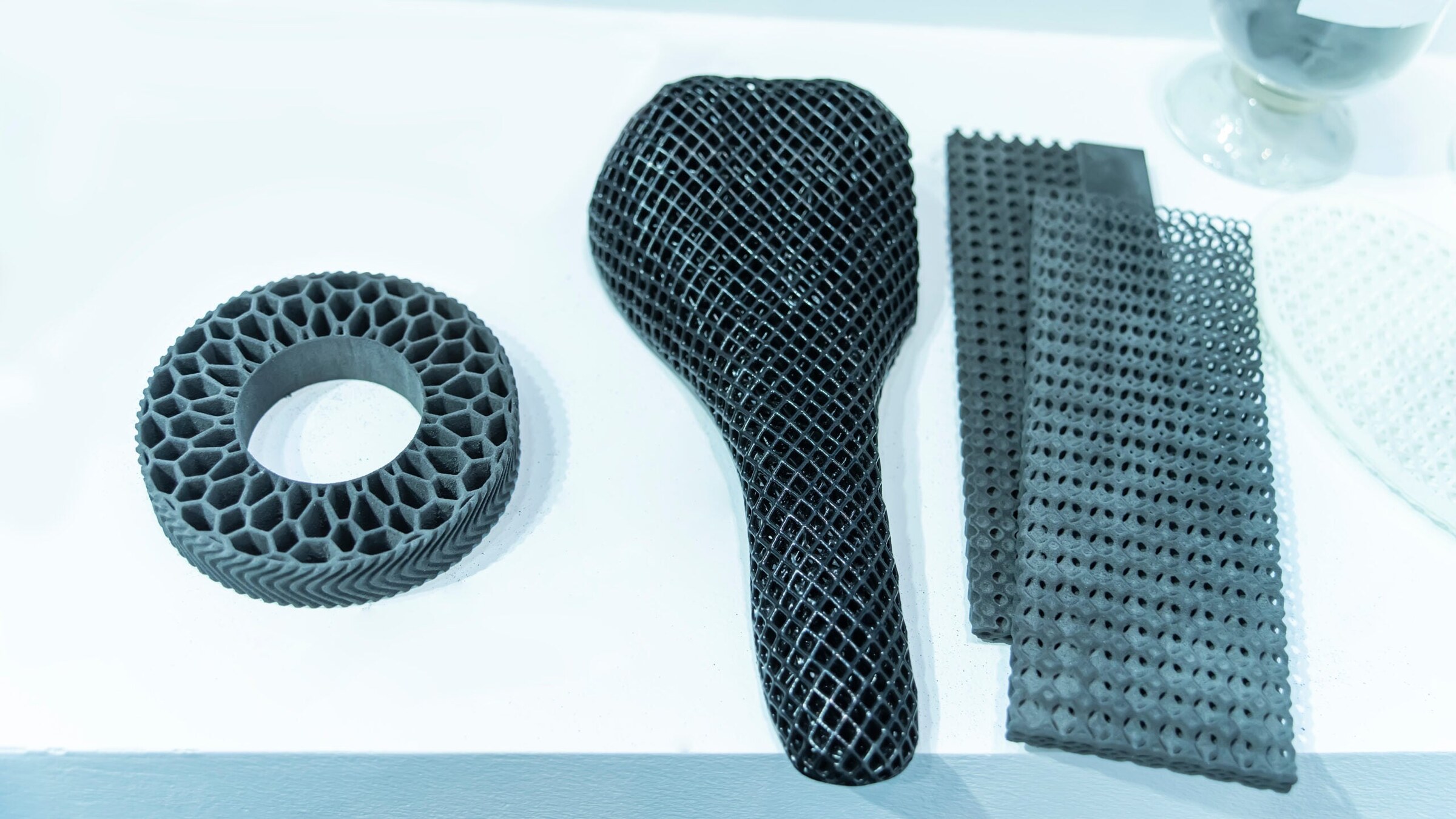
3D Printing in Triathlon: What Is Actually Worth Paying For?
From lattice saddle padding to custom cockpits: distinguish fit prototypes from final structural parts and evaluate the problem, validation and ownership requirements before orderi...
Learn More → Featured
RSTRI LAB | Get Faster for Free: Triathlon Aero Position Guide
Using real race photos, we look at aerobar width, head-and-arm integration, flexibility, drop and reach—and why the fastest aero position is the one you can safely hold for hours.
Learn More →